logo
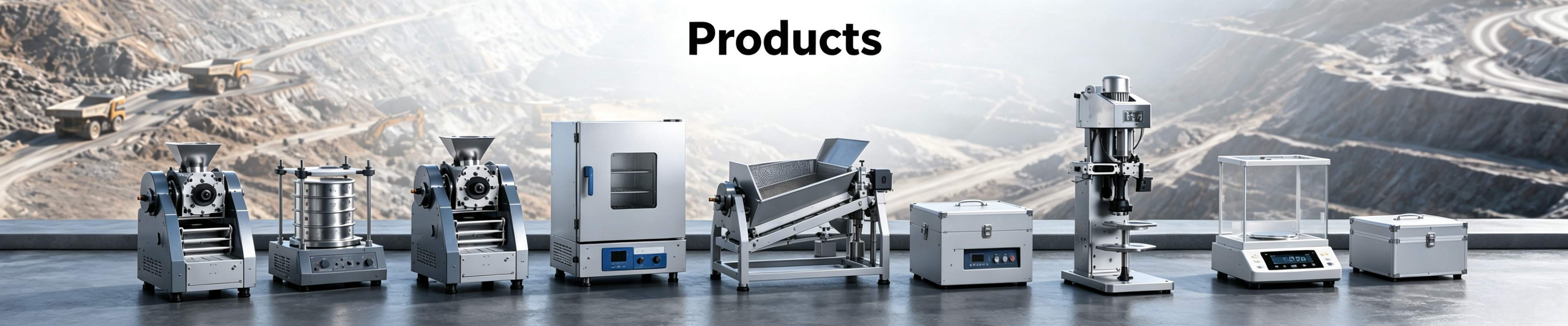
Products
PRODUCTS DETAILS
Home > Products >
Silicon Carbide Heating Element 1200°C Fire Assay Fusion Furnace for Gold Ore Laboratory Testing

Silicon Carbide Heating Element 1200°C Fire Assay Fusion Furnace for Gold Ore Laboratory Testing

MOQ: 1 Set
Price: Negotiate
Standard Packaging: Standard export packing is provided, and customized packing is available upon request.
Delivery Period: 15-30 working days
Payment Method: L/C,T/T
Detail Information
Place of Origin
China
Brand Name
Y&X
Certification
Available upon request
Model Number
Fire Assay Fusion Furnace
Product Type:
Fire Assay Fusion Furnace
Heating Element:
Silicon Carbide (SiC)
Maximum Temperature:
1200°C
Heating Performance:
Stable And Uniform High-Temperature Heating
Temperature Control:
Electronic Temperature Control
Door Operation:
Pneumatic Lifting
Chamber Size:
Multiple Options Available
Application:
Gold Silver Ore Fire Assay Fusion
Highlight:

Silicon Carbide heating element for fire assay

,

Fire assay fusion furnace for gold ore

,

Laboratory testing furnace with 1200°C

Product Description
1200°C Fire Assay Fusion Furnace with Silicon Carbide Heating Elements
The Fire Assay Fusion Furnace is built around high-performance silicon carbide (SiC) heating elements, delivering the stable, uniform high-temperature heating required for the fusion stage of gold, silver and precious metal assay.
Silicon carbide heating elements are chosen for their high temperature resistance, stable electrical performance and long service life. This allows the furnace to hold its working temperature across repeated fusion cycles without frequent element replacement, which helps keep laboratory operation consistent and maintenance low.
The furnace supports a maximum operating temperature of 1200°C and combines silicon carbide heating elements with electronic temperature control and a pneumatic lifting door for convenient, reliable laboratory operation.
Multiple furnace chamber and loading configurations are available to match different laboratory sample throughput requirements.
Fire Assay Fusion Furnace with Silicon Carbide Heating Elements
Key Features
  • Silicon Carbide (SiC) Heating Elements: The core of the furnace is its silicon carbide heating elements, selected for high-temperature stability and long service life under continuous fire assay fusion work.
  • Stable, Uniform Heating up to 1200°C: Silicon carbide elements provide consistent heat distribution across the furnace chamber, helping samples and fluxes fuse evenly during the fusion stage.
  • Long-Lasting Element Performance: Silicon carbide elements are resistant to high-temperature oxidation and thermal cycling, supporting long operating life and lower replacement frequency.
  • Electronic Temperature Control: Electronic temperature control allows operators to set and hold the furnace temperature according to the assay procedure, so that fusion conditions stay repeatable from batch to batch.
  • Pneumatic Lifting Door: The pneumatic door structure simplifies furnace opening and closing during crucible loading and unloading, improving both convenience and operator safety.
  • Multiple Capacity Options: Different furnace chamber sizes and crucible-loading configurations are available for laboratories with different sample throughput requirements.
Technical Specifications
Item Specification
Product Name Fire Assay Fusion Furnace
Heating Element Silicon Carbide (SiC)
Maximum Temperature 1200°C
Heating Performance Stable and Uniform High-Temperature Heating
Temperature Control Electronic Temperature Control
Door Operation Pneumatic Lifting
Furnace Chamber Multiple Sizes Available
Crucible Capacity Multiple Configurations Available
Application Fire Assay Sample Fusion
Working Principle
In the fire assay process, a prepared sample is mixed with suitable fluxes and placed in a refractory crucible.
The crucible is loaded into the fusion furnace, where the silicon carbide heating elements raise the chamber to the required high temperature until the sample and flux mixture becomes molten.
During fusion, precious metals are collected into the metallic phase while other components of the sample form slag.
After fusion, the molten material is removed from the furnace and poured into a mold for cooling. The resulting lead button is then separated from the slag and transferred to the cupellation stage for further processing.
Fire Assay Fusion Process Diagram
Applications
The Fire Assay Fusion Furnace with silicon carbide heating elements is suitable for precious metal assay and mineral testing applications involving:
  • Gold ore
  • Silver ore
  • Mineral concentrates
  • Geological samples
  • Metallurgical samples
  • Precious-metal-bearing materials
Typical users include: Mining laboratories • Assay laboratories • Mineral testing laboratories • Metallurgical laboratories
Fire Assay Process
Sample Preparation → Flux Mixing → Fusion → Cupellation → Final Determination
Fusion ← Fire Assay Fusion Furnace (Silicon Carbide Heating Elements)
Frequently Asked Questions
Q1: What type of heating element does this fusion furnace use?
The furnace uses silicon carbide (SiC) heating elements, selected for high-temperature stability and long service life.
Q2: Why choose silicon carbide heating elements?
Silicon carbide elements offer high temperature resistance, stable electrical performance and long operating life, which supports consistent, repeatable fusion results.
Q3: What is the maximum furnace temperature?
The maximum operating temperature is 1200°C.
Q4: Are different furnace capacities available?
Yes. Different furnace chamber and crucible-loading configurations are available according to laboratory throughput requirements.
About Y&X
Y&X Beijing Technology Co., Ltd. provides laboratory equipment for mineral processing, sample preparation and mineral analysis.
Our equipment solutions cover crushing, grinding, screening, mineral processing testing and fire assay laboratory applications. Equipment configurations can be selected according to sample type, laboratory capacity and testing requirements.
Y&X Beijing Technology Co., Ltd. Laboratory Equipment
Products
PRODUCTS DETAILS
Silicon Carbide Heating Element 1200°C Fire Assay Fusion Furnace for Gold Ore Laboratory Testing
MOQ: 1 Set
Price: Negotiate
Standard Packaging: Standard export packing is provided, and customized packing is available upon request.
Delivery Period: 15-30 working days
Payment Method: L/C,T/T
Detail Information
Place of Origin
China
Brand Name
Y&X
Certification
Available upon request
Model Number
Fire Assay Fusion Furnace
Product Type:
Fire Assay Fusion Furnace
Heating Element:
Silicon Carbide (SiC)
Maximum Temperature:
1200°C
Heating Performance:
Stable And Uniform High-Temperature Heating
Temperature Control:
Electronic Temperature Control
Door Operation:
Pneumatic Lifting
Chamber Size:
Multiple Options Available
Application:
Gold Silver Ore Fire Assay Fusion
Minimum Order Quantity:
1 Set
Price:
Negotiate
Packaging Details:
Standard export packing is provided, and customized packing is available upon request.
Delivery Time:
15-30 working days
Payment Terms:
L/C,T/T
Highlight

Silicon Carbide heating element for fire assay

,

Fire assay fusion furnace for gold ore

,

Laboratory testing furnace with 1200°C

Product Description
1200°C Fire Assay Fusion Furnace with Silicon Carbide Heating Elements
The Fire Assay Fusion Furnace is built around high-performance silicon carbide (SiC) heating elements, delivering the stable, uniform high-temperature heating required for the fusion stage of gold, silver and precious metal assay.
Silicon carbide heating elements are chosen for their high temperature resistance, stable electrical performance and long service life. This allows the furnace to hold its working temperature across repeated fusion cycles without frequent element replacement, which helps keep laboratory operation consistent and maintenance low.
The furnace supports a maximum operating temperature of 1200°C and combines silicon carbide heating elements with electronic temperature control and a pneumatic lifting door for convenient, reliable laboratory operation.
Multiple furnace chamber and loading configurations are available to match different laboratory sample throughput requirements.
Fire Assay Fusion Furnace with Silicon Carbide Heating Elements
Key Features
  • Silicon Carbide (SiC) Heating Elements: The core of the furnace is its silicon carbide heating elements, selected for high-temperature stability and long service life under continuous fire assay fusion work.
  • Stable, Uniform Heating up to 1200°C: Silicon carbide elements provide consistent heat distribution across the furnace chamber, helping samples and fluxes fuse evenly during the fusion stage.
  • Long-Lasting Element Performance: Silicon carbide elements are resistant to high-temperature oxidation and thermal cycling, supporting long operating life and lower replacement frequency.
  • Electronic Temperature Control: Electronic temperature control allows operators to set and hold the furnace temperature according to the assay procedure, so that fusion conditions stay repeatable from batch to batch.
  • Pneumatic Lifting Door: The pneumatic door structure simplifies furnace opening and closing during crucible loading and unloading, improving both convenience and operator safety.
  • Multiple Capacity Options: Different furnace chamber sizes and crucible-loading configurations are available for laboratories with different sample throughput requirements.
Technical Specifications
Item Specification
Product Name Fire Assay Fusion Furnace
Heating Element Silicon Carbide (SiC)
Maximum Temperature 1200°C
Heating Performance Stable and Uniform High-Temperature Heating
Temperature Control Electronic Temperature Control
Door Operation Pneumatic Lifting
Furnace Chamber Multiple Sizes Available
Crucible Capacity Multiple Configurations Available
Application Fire Assay Sample Fusion
Working Principle
In the fire assay process, a prepared sample is mixed with suitable fluxes and placed in a refractory crucible.
The crucible is loaded into the fusion furnace, where the silicon carbide heating elements raise the chamber to the required high temperature until the sample and flux mixture becomes molten.
During fusion, precious metals are collected into the metallic phase while other components of the sample form slag.
After fusion, the molten material is removed from the furnace and poured into a mold for cooling. The resulting lead button is then separated from the slag and transferred to the cupellation stage for further processing.
Fire Assay Fusion Process Diagram
Applications
The Fire Assay Fusion Furnace with silicon carbide heating elements is suitable for precious metal assay and mineral testing applications involving:
  • Gold ore
  • Silver ore
  • Mineral concentrates
  • Geological samples
  • Metallurgical samples
  • Precious-metal-bearing materials
Typical users include: Mining laboratories • Assay laboratories • Mineral testing laboratories • Metallurgical laboratories
Fire Assay Process
Sample Preparation → Flux Mixing → Fusion → Cupellation → Final Determination
Fusion ← Fire Assay Fusion Furnace (Silicon Carbide Heating Elements)
Frequently Asked Questions
Q1: What type of heating element does this fusion furnace use?
The furnace uses silicon carbide (SiC) heating elements, selected for high-temperature stability and long service life.
Q2: Why choose silicon carbide heating elements?
Silicon carbide elements offer high temperature resistance, stable electrical performance and long operating life, which supports consistent, repeatable fusion results.
Q3: What is the maximum furnace temperature?
The maximum operating temperature is 1200°C.
Q4: Are different furnace capacities available?
Yes. Different furnace chamber and crucible-loading configurations are available according to laboratory throughput requirements.
About Y&X
Y&X Beijing Technology Co., Ltd. provides laboratory equipment for mineral processing, sample preparation and mineral analysis.
Our equipment solutions cover crushing, grinding, screening, mineral processing testing and fire assay laboratory applications. Equipment configurations can be selected according to sample type, laboratory capacity and testing requirements.
Y&X Beijing Technology Co., Ltd. Laboratory Equipment